
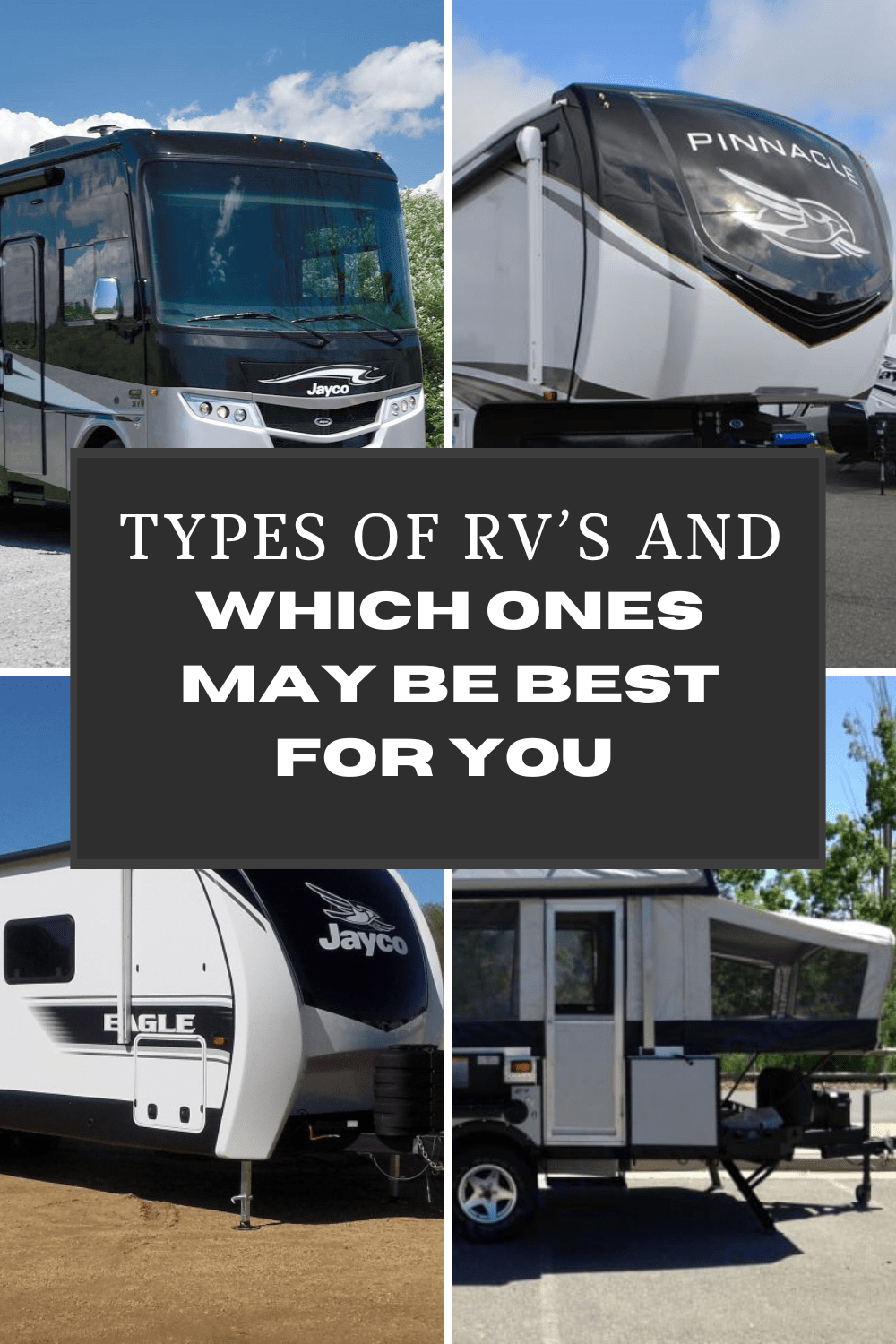
Are you thinking about buying your first RV? Are you overwhelmed by the amount of choices that are out there? If so, you’ve come to the right place. In this post I will cover the different types of RV’s and the sub classes of each to help you figure out which is best for you and your style of RVing.

When our friends and family heard that we wanted to buy an RV, they all assumed that we were going to buy a motorhome like in the movie, RV. That was never our intention though. Before we begin, let’s clarify this, RV stands for Recreational Vehicle. It’s the all-encompassing term for ones you drive and ones you tow. Let’s use automobiles as an example. A pickup truck is an automobile. A car is also an automobile. However, a truck is not a car, and a car is not a truck. Same goes for RV’s. A motorhome is an RV, and a Fifth Wheel is an RV, but a motorhome is not a Fifth Wheel, and a Fifth Wheel is not a motorhome. I hope that clarifies it a little.
Now let’s get into the different types of RV’s. Let’s first start with towable. A towable RV is one that is pulled by either a truck or SUV. The size of the RV will determine what tow vehicle you will need to have. There are different kinds of RVs in the towable category:
- Fifth Wheel
- Travel Trailer
- Popup
- Tear Drops
Fifth Wheel
Let’s start with the fifth wheel or “fiver”. These trailers use a hitch system in the bed of a pickup truck similar to semi-trucks. You cannot tow these with anything but a full size pickup truck. Historically, fifth wheels need at least a ¾ ton or 1 ton truck. Nowadays, RV manufacturers are making them smaller and lighter so that modern ½ ton trucks can pull a 5th wheel. That’s still up for debate in the RV community. When it comes to this debate, all I can suggest is to know your tow vehicles numbers. Gross combined weight rating (GCVW) and payload. Payload is the biggest thing to consider when thinking about using a ½ ton truck. The tongue weights of fifth wheels are between 15-30% of the total weight. Also use the RV’s gross weight rating (GWR), don’t worry about the dry weight.
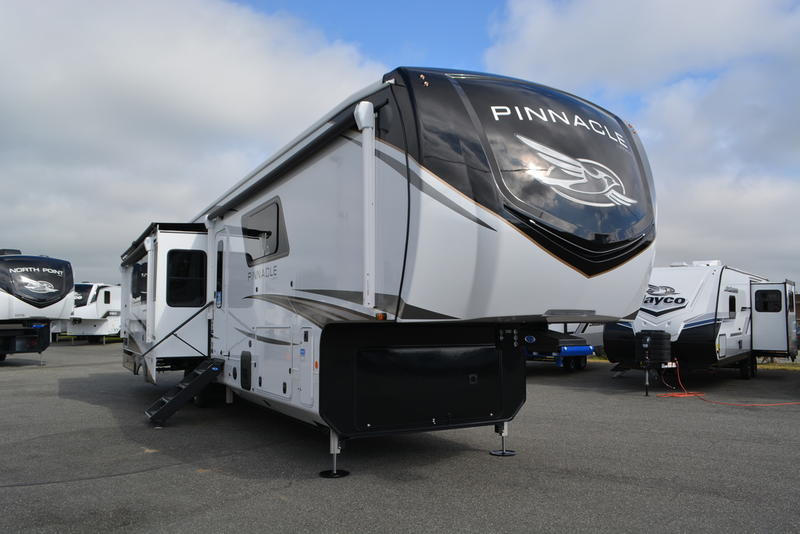
The benefit of a 5th wheel is the towing experience. Because the tongue of the trailer sits over the truck’s rear axles, it’s a much more stable ride when moving at highway speeds. There is less sway when there are cross winds or when a semi-truck passes by. It also allows for better maneuvering in tighter spaces.
Typically, 5th wheels have some of the best floorplans. They start around 26’ (shortest available) but they are typically around 35 feet, and they go up to 45’. Because of this, they are great for big families or couples that want to spread out. Some 5th wheel floorplans can be compared to a New York City apartment in terms of space.
Within the 5th wheel category there are toy haulers. These have a garage in the back of them so you can haul off-road vehicles, golf carts, motorcycles, and even a small car. Toy haulers are also great for families who aren’t hauling a vehicle. Instead, the garage is turned into a large bedroom and the garage door can be used as a deck. Because toy haulers are meant to carry vehicles, they have higher payload capacity. This is another reason why they are popular for full time RVing families and couples.
There are downsides to 5th wheels though. The first being the height of them. Many of them are going to be over 12 feet high. For those of us in the northeast, bridge clearances are a real problem due to the old infrastructure. Gas stations are also a problem if you are towing with a gas truck or are getting diesel from a regular (non-truck stop) gas station. Branches and power lines are also more of a concern. You do gain interior ceiling space though.
Another downside is you lose your cargo space in the bed of the truck. You also can’t have the bed covered, so whatever does fit in the bed, is going to get wet if you’re travelling on a rainy day. Loose items will also blow away. With that said, because 5th wheels have bigger storage bays (usually) and heavier payload capacities, you can use the fifth wheel storage instead.
5th wheels are great for large families, full timers, and those that want to bring along the toys like off road vehicles, motorcycles, etc. You will need a full-sized truck to pull one though. Some ½ tons (F150 or 1500’s) can pull certain ones. If you are going to be in the market for a vehicle as well, more truck is always a good thing. I personally would recommend ¾ ton (F250 or 2500) or 1 ton (F350/450 or 3500). You’ll enjoy your travel days much more having the bigger truck. If you already own a ½ ton and are towing on weekends or a few times a year, like I said, there are 5th wheels out there that you can tow. In all cases though, check your numbers and make sure you are towing safely.
Travel Trailers
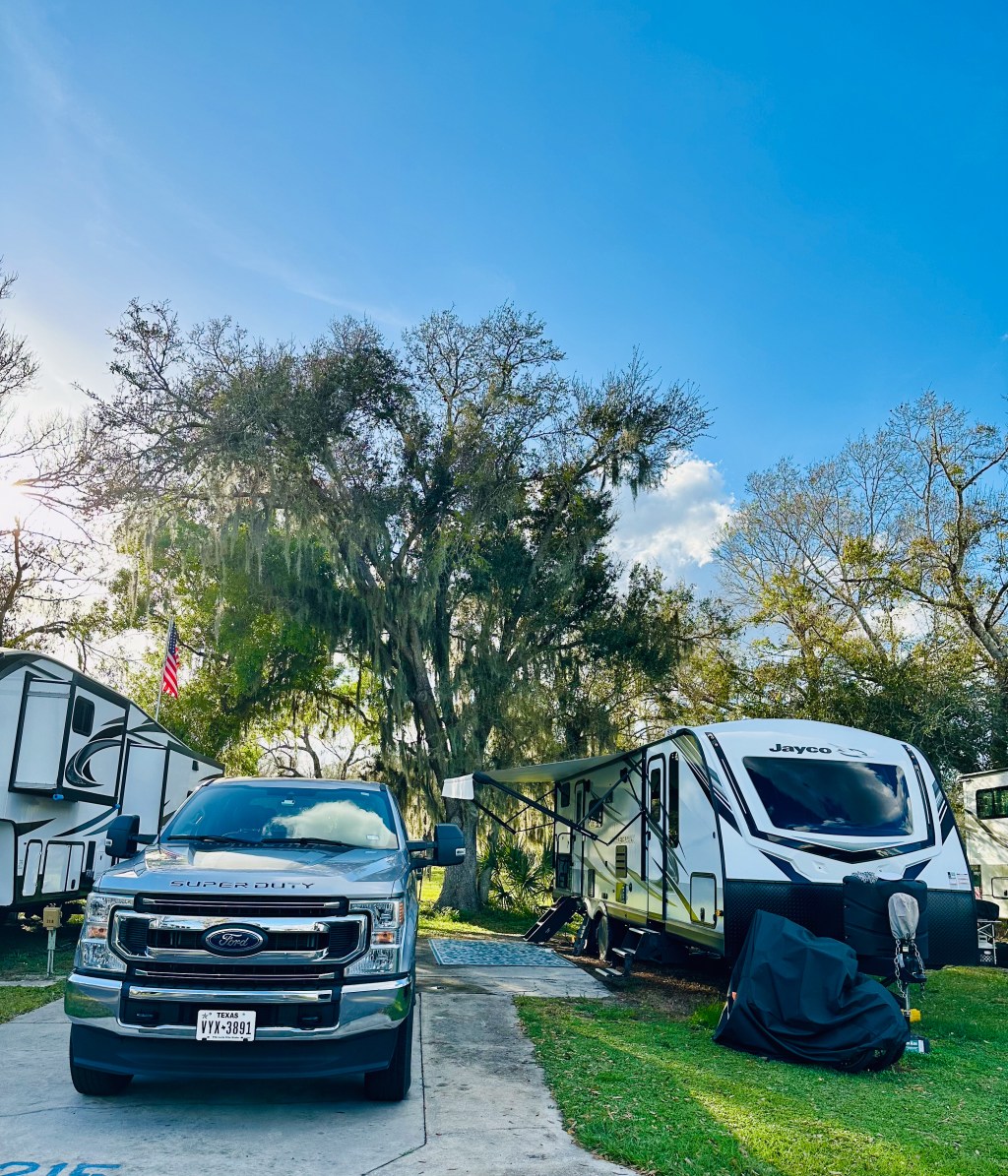
Travel trailers vary in length just like 5th wheels do. They can be found as small as 13’ and can get up to 45’ as well. These are pulled by a hitch attached to the bumper of the tow vehicle. Because these can come in small sizes, they can be pulled by an SUV, van, or truck. Obviously the bigger the trailer, the heavier it is, so the proper tow vehicle will be needed. Regardless of weight, most people agree that a trailer 30’ or longer, should be pulled by a vehicle with a longer wheelbase, typically a truck but a full sized SUV (i.e. Expedition) will work. This way the tail (the trailer) isn’t walking the dog (tow vehicle).
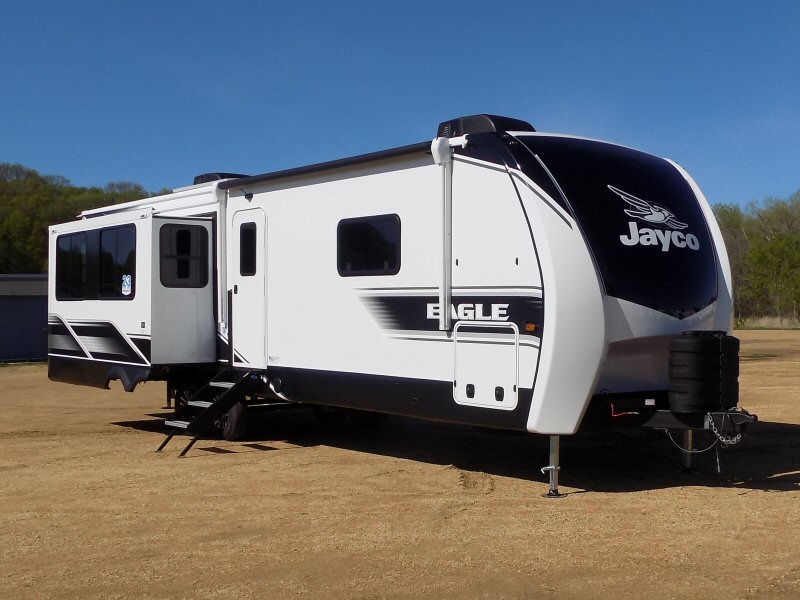
Floorplans for travel trailers also vary. They have some that would rival 5th wheels as they get longer. Finding the right floorplan for your needs will be important. The one advantage in a travel trailer floorplan is the lack of stairs. In 5tgh wheels, there are steps to get to the front of the rig due to the rig having to clear the bed of the truck to be connected. For families with young kids or older adults who don’t want to deal with stairs, a travel trailer is a good choice.
Because the travel trailer connects to the bumper, they typically have a lower clearance than 5th wheels. You’ll still want to make sure your route is clear of low clearance underpasses, but they will clear more than a 5th wheel or motorhome. Also, you don’t lose the cargo space in your truck, and you can keep your truck bed covered. A lower profile also means better fuel mileage.
A downside of a travel trailer is the towing experience. Travel trailers are more likely to sway as the connection is behind the rear axle of the tow vehicle. However, a properly setup weight distribution hitch with sway control and properly loaded trailer, can prevent most, if not all sway. Of course, the proper tow vehicle is required to achieve this as well. You still need to be mindful of tongue weight with travel trailers. Travel trailer tongue weights are usually around 10-15% of the trailers loaded weight. Tongue weight takes away from the payload of the tow vehicle.
Another downside is total length. A 35’ fifth wheel will tow more like 30’ because it sits over the truck bed. A 35’ travel trailer will tow like 35’ plus a little more depending on the hitch setup and how much distance is creates between the bumper and the tongue of the trailer.
Cargo space under the camper is another feature you lose when choosing a travel trailer. Most come with adequate storage space but still not as much as a 5th wheel or motorhome. If you’re a weekend warrior, this won’t matter to you much. The storage they have will be plenty for a weekend or even multiple weeks. Heck, we full time in a travel trailer and it’s plenty for us.
Travel trailers are great for anyone looking to get into an RV. In fact, I would argue it’s where most people start when they begin RVing since they are usually less expensive and can be towed with a variety of different vehicles. You may lose things like, payload, and cargo space but depending on your needs this may be a moot point. However, they also come as toy haulers, so you can find ones with good payload still and have a back deck.
Pop ups and tear drops
These are extremely versatile when it comes to being able to be pulled by just about anything. If you like tent camping, pop ups are a great in between. A popup as a hard shell over the middle of the rig. As you open the popup, the fabric extends outwards to create your living space. You’ll still get all the sounds and breeze like you would in a tent but without the labor of putting one up.
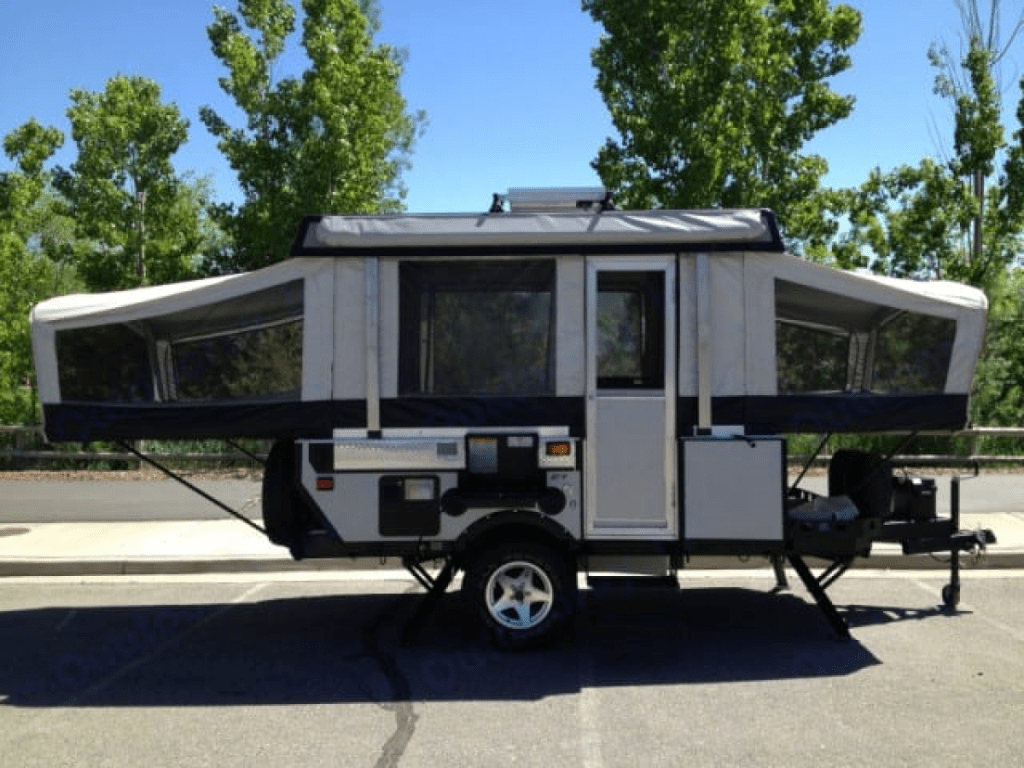
When towing, they are lower than the tow vehicle and not long at all. Gas mileage is not a concern for those towing a pop up or even a tear drop. Same goes for height clearances. If your tow vehicle can fit, so can your trailer.
A tear drop is a hard top trailer but typically big enough for just a bed. The kitchen is usually outside of the rig. These are great for those who just want a dry, warm place to sleep but want to be outside at all other times. They also make off road or overlander models that can go anywhere you tow vehicle can take it.
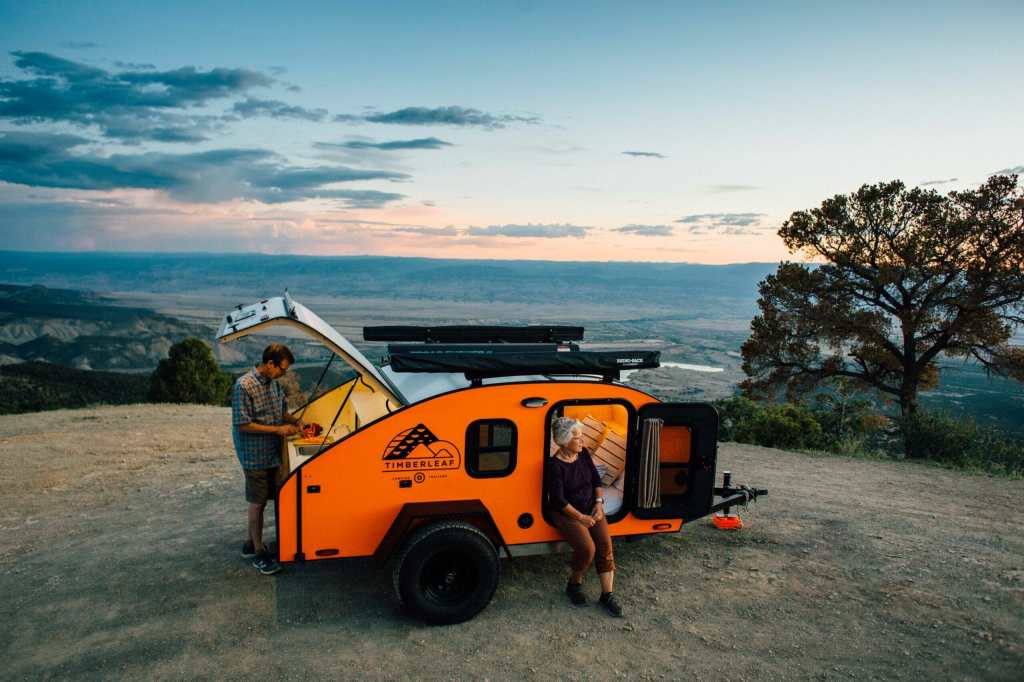
With both, you typically lack amenities like private bathrooms. Pop ups do have them but are not as private as a bathroom in a TT, 5th wheel, or motorhome. I haven’t seen a tear drop with one (yet, but I have seen them with outdoor showers. Cargo space is something else these rigs lack which makes sense given their size. Although, some of the overlander models have come up with some creative cargo carrying features.
Love the outdoors and want to immerse yourself in it 18 hours a day but want a dry place to sleep? Popups and tear drops are great for that. Since you’re able to fit them just about anywhere, camping in forested state parks or national parks will be no issue for these.
Motorhomes
That covers the towable RV’s so let’s get into motorhomes. Motorhomes are the RV’s that you drive. They too come in different classes:
Class A (look like buses)
Class B (Vans)
Class C (the ones that have the overhang over the cab).
Choosing the class for you depends mostly on floorplan. The class A buses have the most amount of space as they can reach 45’ as well. A lot of them come with super slides on at least one side and sometimes both. They also have great “basement” storage. Think of a charter bus and how much luggage space they have underneath. A class A has the same.
With all motorhomes, the major perk is being able to travel in the rig itself. They are usually setup with seat belts on the couches or dining table. That can be perfect for those that are working on the road. If one person is driving, the other can be at their table doing work. Or if you are homeschooling, the children can do their schoolwork on travel days. Need to use the restroom? Guess what? You can access your bathroom as well. I don’t suggest while moving but I’m sure there are plenty of people who do.
Class A
As mentioned above, these will vary in length from 25’ to 45’. The floorplans vary for these as well, but most are similar. Finding the right floorplan will determine what length you need. Remember, with all RV’s the longer they are the harder they are to maneuver in tight spaces. I’ve never driven a motorhome, but I would imagine there is a bigger learning curve when learning how to drive and back up. I could be very wrong though. Also, campsite availability will decrease as well. We are at 35’ and have found places where we don’t fit.
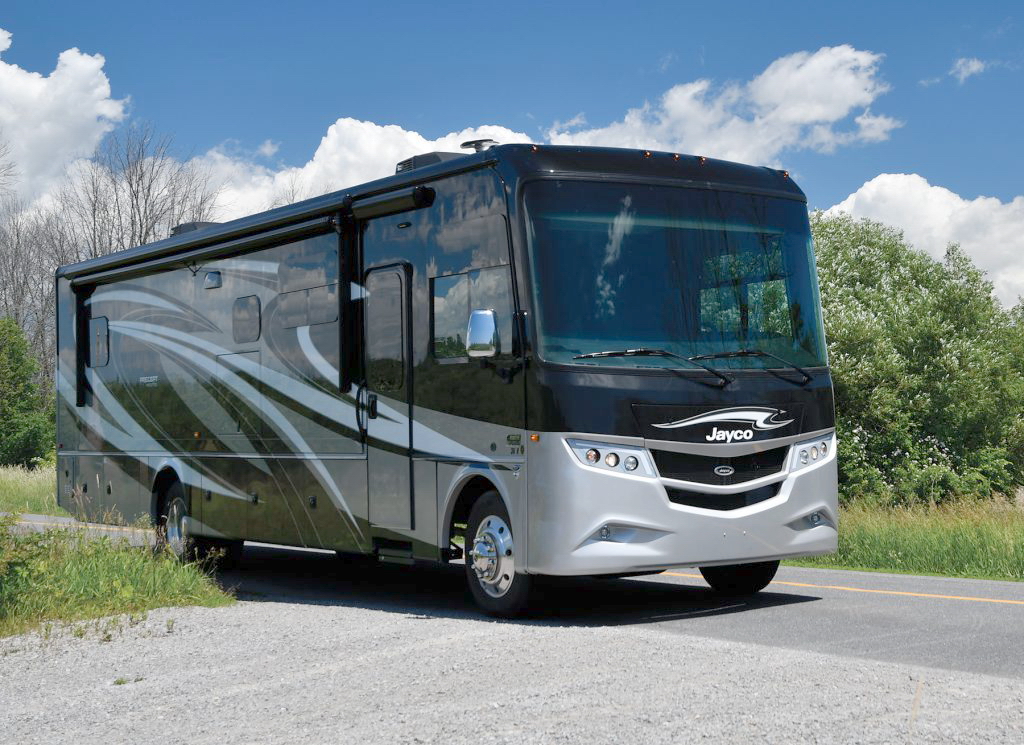
When you have a class A or class C you may also choose to tow a vehicle (a toad) behind you. This can be a positive or negative depending on who you ask. Personally, I didn’t want a motorhome for this reason. I am not a mechanic and don’t pretend to be one, so I didn’t want to have to worry about two engines. Also, if you get in a pickle and need to reverse, you have to disconnect the toad, turn around, and reconnect. It’s not a very difficult process but is an added hurdle.
The ride of a class A is wonderful. If you’ve ever been on a charter bus you know what I mean. People with class A’s brag about how they can leave a coffee maker on the counter on travel days, and it won’t move. I’d imagine it’s a much better drive for the driver as well. A class A is probably a clear winner when it comes to comfort and convenience on travel days.
Class B
These are your vans. You know, #vanlife? These can be driven too just about anywhere. Some of them even fit in regular parking spots as they are usually around 20’. That also makes them easier to drive for those that want to get into an RV but are scared of towing or driving a big vehicle.
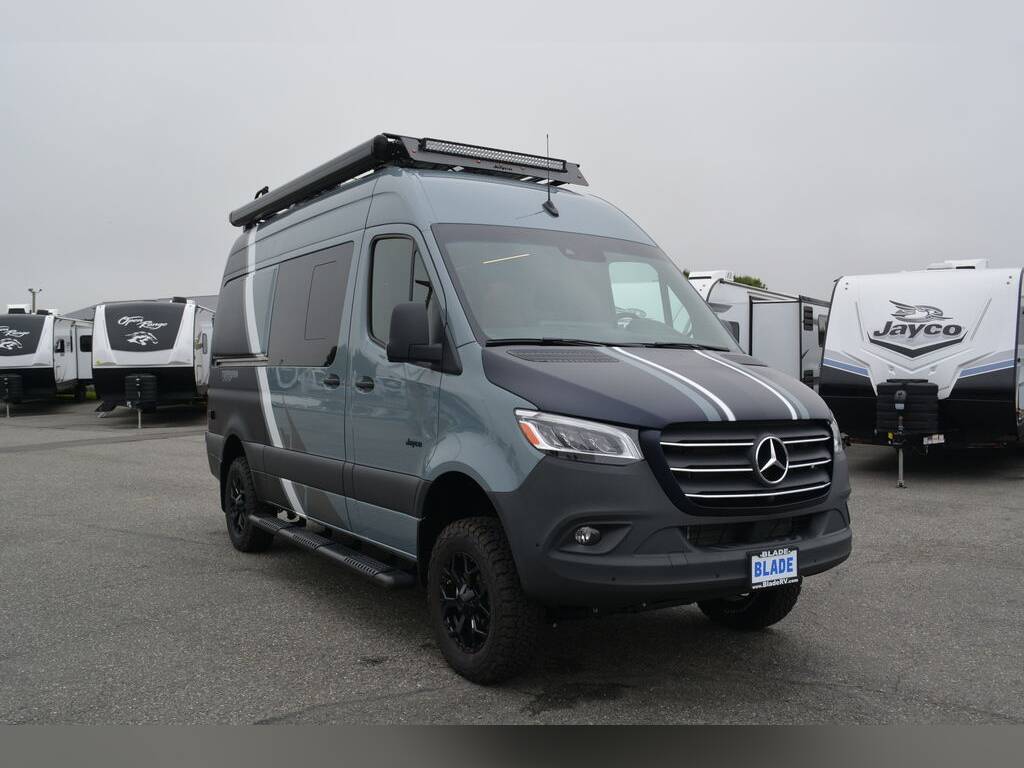
There are also class B’s that have full bathrooms, living rooms, kitchens and bedrooms. Sometimes it requires some conversion of the space, i.e. turning the living room into the bedroom. These are perfect for a single person or a couple looking to just go wherever they want and not worry about if they’ll fit and what route to take. I have seen families live full time in class B’s so they are for anyone really.
Class C
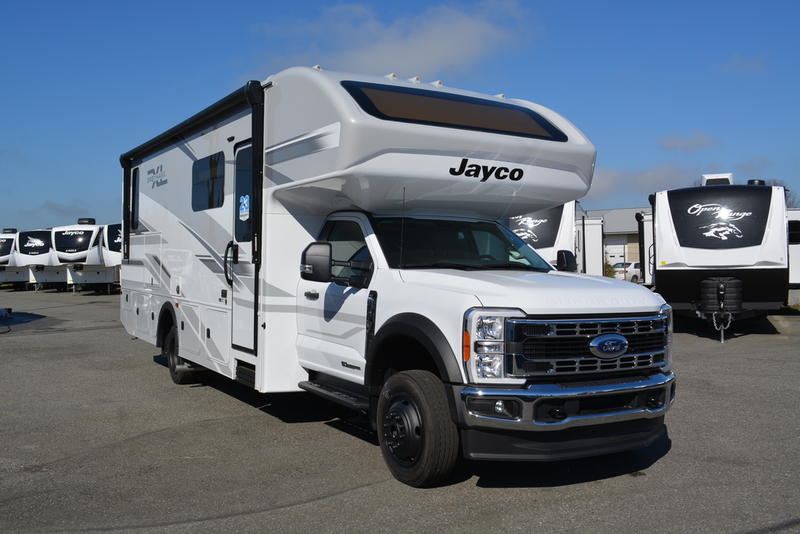
When it came to shopping for a rig to full time, class C’s were the only motorhomes I gave any thought to. It was a brief thought as I was always leaning towards TT or 5th wheel. These vary in size as well. Usually 30’ to 40’ and sit on a truck chassis so they are similar to driving a pickup truck or economy van (U-Haul van). Because they have the bunk over the cab, they create two totally separate sleeping spaces which is why I considered it.
The perks and disadvantages are similar to class A’s except basement storage. Typically, class C’s have less but that’s not always the case. Some “super c’s” sit on a semi truck chassis so they have the cargo space that would rival a class A.
Cost is the biggest thing to think about when looking at any of the classes of motorhomes. Brand new, most of them are over $100k. The used market is better if you’re not looking to spend six figures to get out there and travel. Just remember, things like mileage and engine maintenance are things to look out for when shopping used.
At the end of the day, you have multiple choices when looking for an RV. First, decide if you want to drive one or tow one. Do you have a tow vehicle already? Do you want to drive a full sized pick up truck as your daily driver? Or do you want to buy a motorhome and pull your car behind it? Then decide how you want to camp. Do you want to be in state parks or national parks? A shorter RV would be better. Are you going to be in big RV parks mostly and need space or payload? A longer fifth wheel or class A may be a good option. Once you figure that out, go and look at different floorplans. Do you need bunk beds or a bunk house? Do you want a large living space? After you decide on a floorplan, or a couple, go and see them in person. Pictures and brochures are great but until you are sitting in it, you won’t know for sure.
I hope you all enjoyed this post and found it helpful. I am always available for questions if you need more help figuring out which RV might be best for you. Our email is on our “about” page. You can also feel free to drop a comment below.
Thank you all and God bless.
 The Touring Torres’s
Leave a comment